
Flowers and Fruits in All Seasons
kiwi
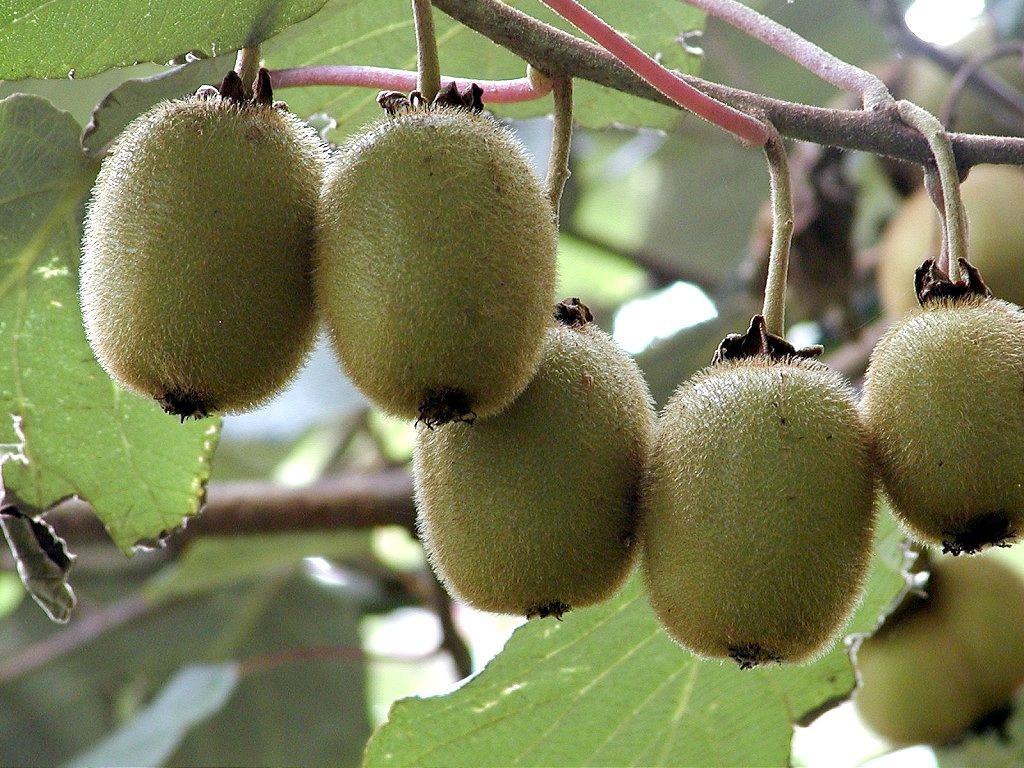
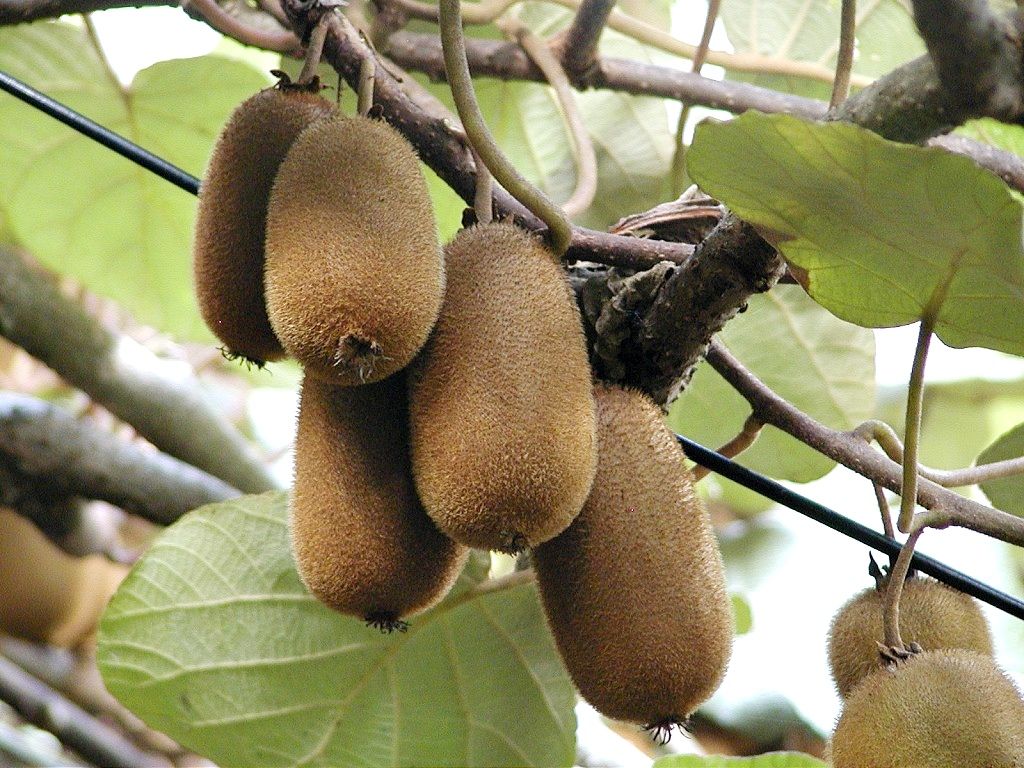
Growing kiwifruit at the Shei-Pa Leisure Farm is what Farm Manager Fan is most proud of. In 1985, Mr. Lee Teng-hui, then the Governor of Taiwan Province, believed that kiwifruit was a very good fruit, but its high price made it difficult to popularize. He instructed locals to try growing it themselves. Subsequently, through the strong recommendation of Mr. Chou Ching-chia, General Manager of the Taiwan Fruit Society, Farm Manager Fan began to investigate and conduct trial planting. Fan Tseng-ta, who had worked in breeding at the Agricultural Research Institute, boldly planted two hectares of kiwifruit seedlings at the beginning. The first trial planting yielded a harvest, successfully introducing kiwifruit to Taiwan. Afterwards, he continued to improve it with new technologies. Now, the local kiwifruit that people eat is not only larger than foreign varieties, but also sweeter, which has brought down the original high price of forty or fifty NT dollars per fruit to an affordable price that everyone can afford.
Kiwi Fruit Profile
This fruit, brought to New Zealand by Western missionaries and thus becoming world-famous, may seem like a complete import, but it is actually 100% native to China. It has a very rustic and endearing name: "kiwifruit." Originally from the Yangtze River basin, kiwifruit has small, delicate fruits. Later, it spread to California and New Zealand, becoming New Zealand's most famous fruit. In 1984, Fan Zengda, the owner of the Shei-Pa Leisure Farm, introduced and trialed kiwifruit in Taiwan. Through professional cultivation and adjustments to the harvest period, Taiwanese kiwifruit achieved remarkable success, with a sweet and delicious flavor, large and plump fruits, even tasting better than imported varieties.
Kiwifruit is extremely nutritious and is a health and beauty product.
- Vitamin C: The vitamin C in one kiwi fruit is enough to meet a person's needs for two to three days, which is about twice that of a medium-sized orange.
- Vitamin E: Few fruits contain such high levels of Vitamin E, except for avocados. One kiwi contains twice the Vitamin E of an avocado, but with almost zero calories. It has significant effects on promoting metabolism and enhancing vitality. In particular, it can help prevent common modern ailments such as heart disease and anemia, while also improving muscle elasticity and stimulating hormone secretion.
- Fiber: Kiwifruit contains more natural fiber than grains and vegetables. A 5-ounce kiwifruit contains about four times the fiber of a cup of chopped celery. It helps with bowel movements, promotes digestion, and is also a beauty aid.
- Hemoglobin: Kiwi is one of the few foods that contains hemoglobin, which is an essential element in the production of protein and red blood cells. It is particularly beneficial for people who are weak, pregnant women, developing teenagers, and addicts.
- Folic acid: Few fruits contain folic acid, but kiwi is an exception. Folic acid is an important element for blood production. Insufficient intake can easily lead to anemia and growth retardation. Pregnant women need to supplement with folic acid.
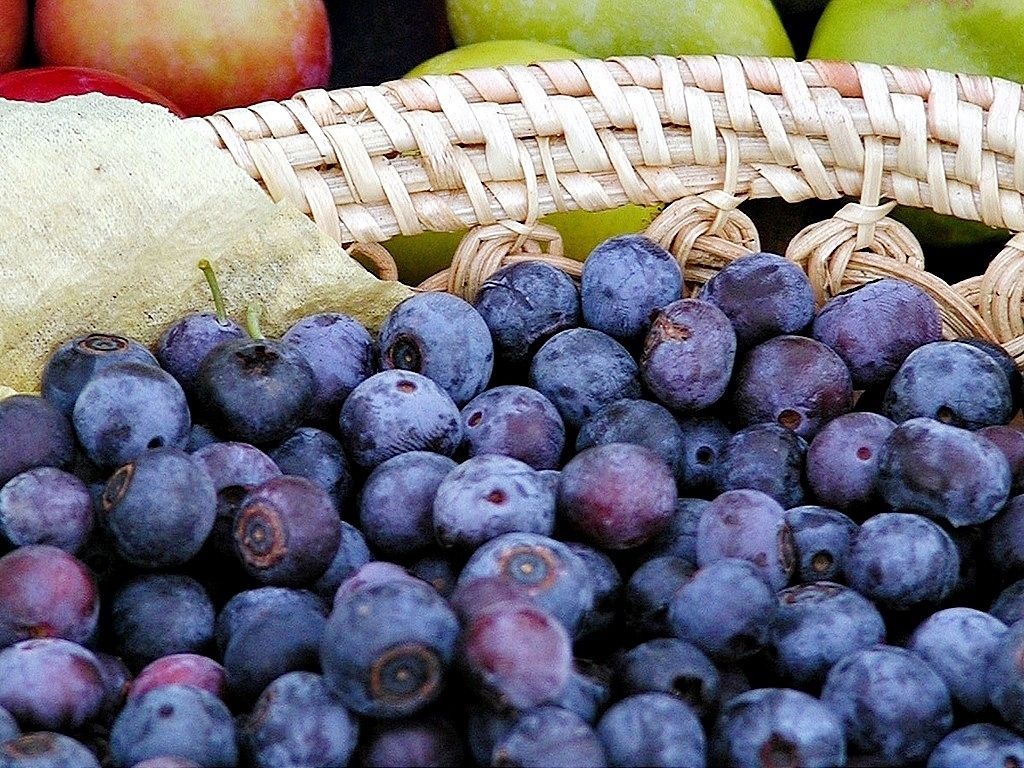
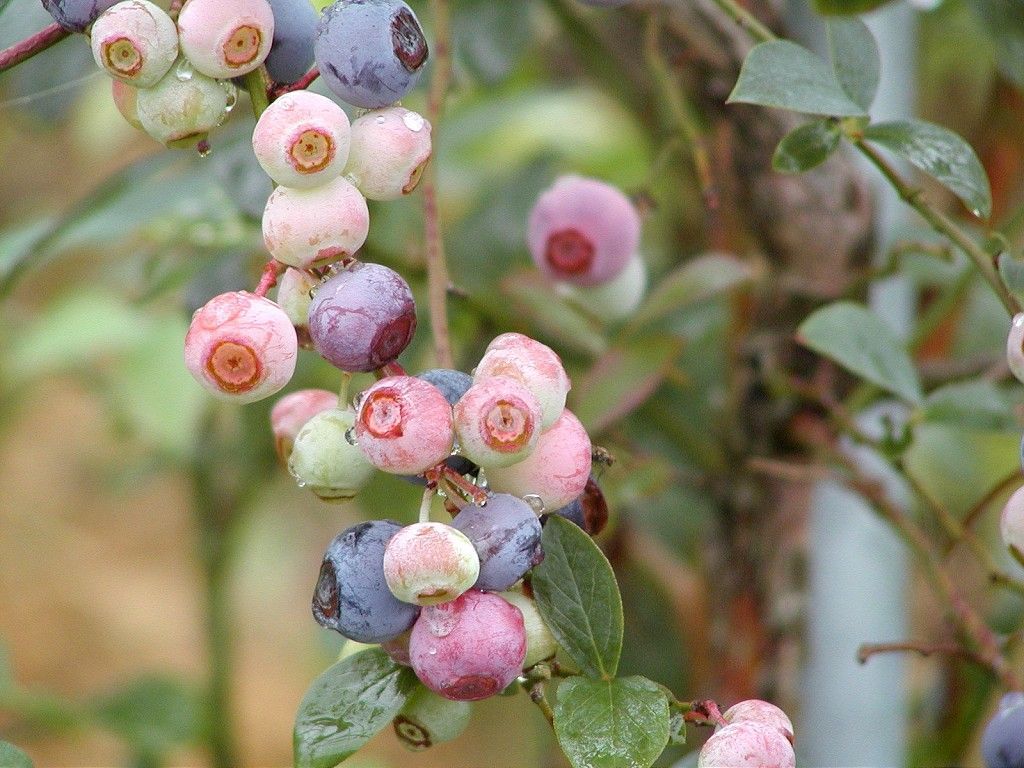
small blueberries
In 1989, Fan Zengda imported seedlings from Germany for trial planting. Unexpectedly, the high-altitude climate of Guanwu was perfectly suited for blueberry growth. With only minor soil improvement, the blueberries flowered and bore fruit the following year, marking a glorious chapter in the history of blueberries in Taiwan. To this day, the Shei-Pa Leisure Farm remains the only small blueberry production center in Taiwan. Currently, the small blueberries produced on-site are only available for visitors to pick and eat. The harvest season is from July to August each year, so interested people shouldn't miss it.
Blueberry Profile
Wild blueberries grow in the coastal regions of northern United States and eastern Canada, thriving in arid, cold, rocky areas, demonstrating an exceptionally high level of resilience. The berries are small, ranging in color from deep blue to purplish-red, and are delicious, juicy, and highly nutritious. Scientists in Europe and America have confirmed that they are a top-quality health food for modern people. A "natural antioxidant activity experiment" conducted at Tufts University confirmed that among more than forty kinds of fruits and vegetables collected, wild blueberries had the highest antioxidant activity among natural foods, even surpassing the effectiveness of strongly flavored garlic.
During World War II, in the Battle of Britain, British Royal Air Force pilots improved their eyesight by consuming large quantities of blueberries, enabling them to spot and shoot down German aircraft from a distance. From then on, blueberries became famous and were regarded as a holy grail for improving eyesight and protecting the eyes.
Wild blueberries resemble the Chinese medicinal herb Schisandra chinensis in appearance. They are slightly sweet, mild, and delicious. Both their leaves and fruits are high in fiber, and the fruits, in particular, contain a natural pigment called anthocyanin, as well as high levels of vitamins, minerals, and various plant-based polymers. Yet, they are free of fat, cholesterol, sugar, and calories, making them suitable for long-term consumption and a truly healthy food.
Wild blueberries are considered a medicinal treasure in Europe and America, highly effective in preventing retinal detachment and reducing myopia. Pilots in Europe and America often eat wild blueberries to protect their eyesight. In Japan, they are called "the fruit of the eye," and there are over sixty related blueberry products. Traditional Chinese medicine practitioners in China state that wild blueberries are the best health food before and after eye surgery.